
She/Her/Hers
Lesbian
|
|
EMILY PRATT SLATIN | About | Press Kit | Notebook | Music Playlist | She/Her/Hers Lesbian |
Retired Career Fire and EMS Lieutenant-Specialist, Writer, and Master Photographer, living in Vermont.
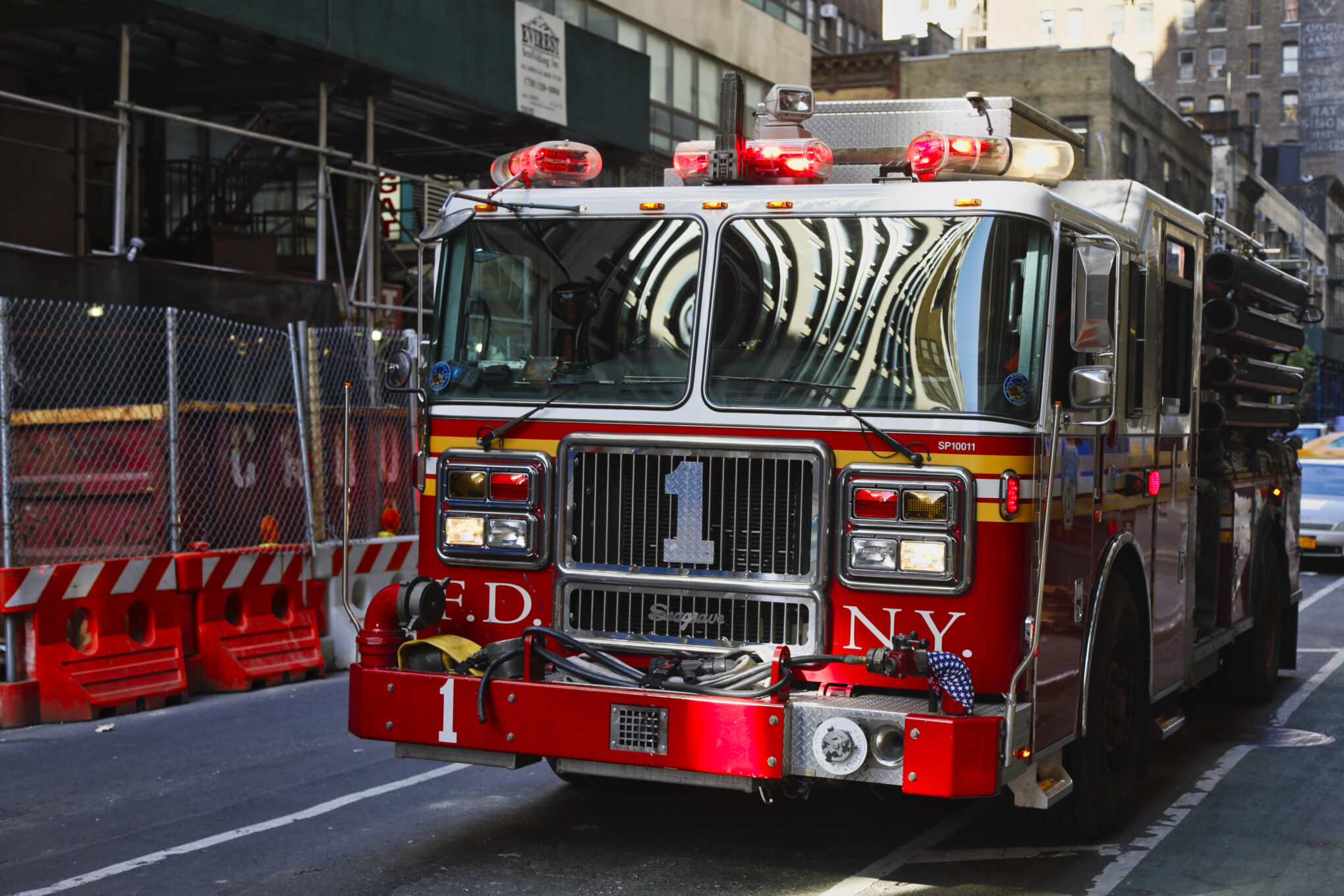
February 21, 2026—Middletown Springs, Vermont (Home)
Today I finally admitted, without drama and without theatrics, that this winter was the hardest one I have ever endured. Not the coldest in temperature, though Vermont certainly tried its hand at brutality, but the coldest in spirit. There is a particular fatigue that settles into the bones when grief and winter overlap—it is not theatrical grief, not the kind that demands witnesses, but the quiet, grinding kind that erodes you in increments. This season felt like that. Erosion. Attrition. A slow persistent stripping down to essentials.
In some ways I am still recovering from last year. I do not mean that in the shallow, motivational-poster sense. I mean it in the feelings of the heart sense. Last year was tumultuous in ways that rearranged the entire path of my life. The ground shifted, and I am still testing my footing. There were days when everything felt provisional, unstable, and edged with uncertainty. I survived it, yes—but survival is not the same thing as restoration. Recovery is slower. Recovery is uneven. Recovery has its own seasons.
I lost Mom last year, and the sentence still lands like something foreign in my mouth. I can write it now without my hands shaking, which is progress of a kind, but I am not over it. I suspect I never will be—not fully—not in the clean, resolved way people like to imagine grief concludes. It lingers. It ambushes. It arrives in small, everyday moments when I least expect it. I find myself wanting to tell her something trivial, something sharp, something only she would appreciate, and there is nowhere for that impulse to go. The silence that follows is vast and deafening.
There is a part of me that feels permanently altered by her absence. Not diminished, exactly, but reconfigured. Losing a mother is not simply losing a person—it is losing a reference point, a history keeper, a witness to the earliest version of yourself. There is no replacement for that role. There is only adaptation.
And in the midst of that, there is Amelia, and god, do I love her.
I love her with a steadiness that feels almost defiant in the face of everything else that has been taken. I love her in the ordinary moments, the quiet ones, the unremarkable ones that would be unremarkable to anyone else. I love her in a way that she has an emotional presence every day of my life, even when we are apart. The thought of the universe taking her from me is almost too large to contemplate. It feels like a cruelty I would not survive. If it ever did, it would take from me that which I love most, and that truth is not hyperbole. It is fact.
Perhaps that is the other reason this winter has been so hard. When you lose someone essential, the fragility of everything becomes obvious. The illusion of permanence dissolves. You begin to understand how little control you truly have over who stays and who goes. Nothing lasts forever but the Earth and the stars above. Loving someone deeply becomes an act of courage, because you now know the cost of losing them.
When you lose someone essential, the fragility of everything becomes obvious. The illusion of permanence dissolves. You begin to understand how little control you truly have over who stays and who goes. Loving someone deeply becomes an act of courage, because you now know the cost of losing them.
I used to believe, in some quiet and unexamined way, that if I worked hard enough, loved hard enough, stayed vigilant enough, I could outrun loss. As if discipline could negotiate with the universe. As if competence—my old religion—could insulate the people I love from harm. Losing Mom ended that illusion cleanly. It was not dramatic. It was final. And it left behind the kind of silence that does not argue.
There are moments—when I sit by the window watching the light shift over the snow—when I feel the echo of her absence as something physical. The pain is subtler now. Not sharp. A hollowing. A missing weight. I am still calibrating to it. I suspect I always will be, like an emotional half-life that never quite reaches zero.
I know fell well how swiftly the universe can rearrange a life, my love for Amelia has always felt both fiercer and more vulnerable by extension. I catch myself looking at her sometimes as if memorizing her—her hands, the way she occupies a room, the particular gravity she brings with her. I do not say this out loud. I do not want to place that fear in the air between us.
If the universe ever took her from me, it would take the axis of my days. That is not dependency. It is devotion. It is the simple recognition that she is the person I have chosen, again and again, in the aftermath of everything else. I have lost before. I have endured before. I know I would survive again. But endurance and survival are not the same thing as wholeness.
This winter forced me to confront the limits of control. It forced me to sit still with grief instead of outrunning it with work, or discipline, or competence. It forced me to admit that loving someone is not a guarantee—it is a risk. And I am still choosing it.
I am still choosing her.
|
Copyright © 1998-2026 Emily Pratt Slatin. All Rights Reserved. About | Archives | Biography | EMD Codes | Notebook | Press Kit | Pronouns.page | RSS Feed | Sitemap | YouTube Made with grit in Middletown Springs, Vermont. |