
She/Her/Hers
Lesbian
|
|
EMILY PRATT SLATIN | About | Press Kit | Notebook | Music Playlist | She/Her/Hers Lesbian |
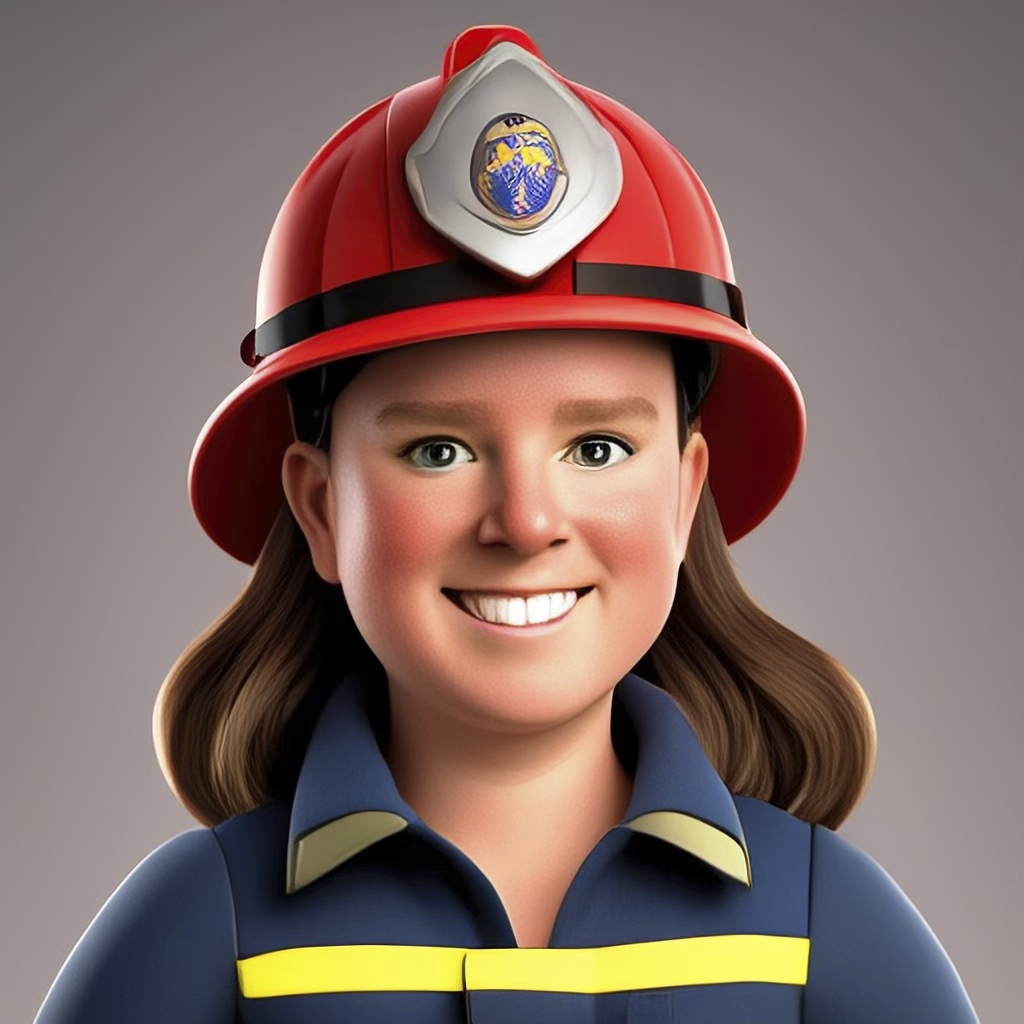
Retired Career Fire and EMS Lieutenant-Specialist, Writer, and Master Photographer, living in Vermont.
January 4, 2025—Middletown Springs, Vermont (Home)
I used to think stillness meant nothing was happening. Now I know it's where everything begins. It's the pause before kindness, the breath before understanding. Empathy, I've learned, isn't about feeling what someone else feels—it's about remembering what it was like to be unseen, and choosing to see anyway. The art of noticing saved me. The chipped edge of a plate. The curl of steam from a cup left too long. The quiet way light folds itself against the wall and waits to be named. Maybe that's what survival really became—a practice in simply paying attention.
I was hurt recently by someone I once considered a friend. Not because of something sudden or dramatic, but because he refused to accept who I have become. In his mind, a version of me is still standing somewhere in the woods of Upstate New York, fixed in time, untouched by everything that came after. He liked referencing who I was at work, the role I played, the version of me that felt useful, impressive, or familiar to him. It became clear that what he valued were certain traits, not the person those traits belonged to.
He called me nearly every day, and I gave him an hour of my day each time, because I believed that was what friendship looked like—showing up, listening, holding space. Toward the end of last year, while my own mother was actively dying, he began spending those calls complaining at length about his parents, unaware or unwilling to notice the imbalance. I don't think he meant to be cruel. But there is a particular kind of harm that comes from someone who insists on being centered in your life while refusing to see the gravity of what you're carrying. Eventually, I realized that he wasn't interested in meeting me where I am—only in keeping me where he remembered me. And I couldn't keep giving time, care, or attention to someone who only recognized me in fragments.
Every generation thinks it's the first to feel misunderstood. That's how you know history still works. We spend the first half of life gathering meaning and the second half realizing it was never hiding. People aren't afraid of dying—their real fear is being forgotten by the people still living. Most of what we call purpose is just the patterns that keep us from unraveling.
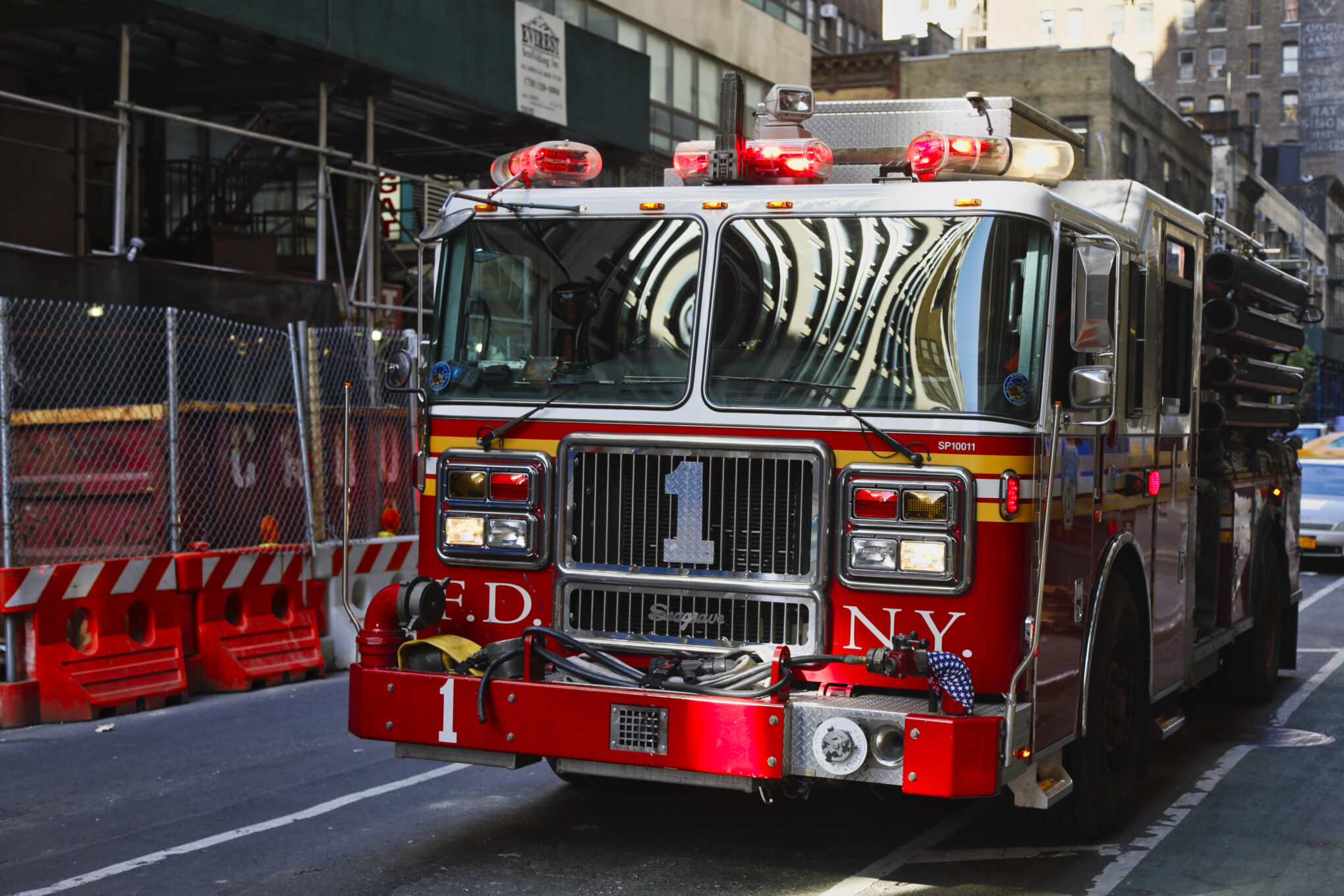
I sometimes wonder what I'll be remembered for—the years I spent as a Firefighter and Paramedic, the photographs that caught what words couldn't, or the story I've been writing all along just by surviving it. People are too quick to call someone special for how they died, when the real measure is in how they lived.
I worked with him for more than a decade, long enough to share the kind of moments that don't leave you once you've seen them. We stood together in situations where lives sometimes ended abruptly, where decisions had weight, and where survival often came down to timing, luck, and restraint.
In December, something shifted. He began talking about those years as if the worst parts had softened with time and distance, as if the residue left behind once the tragedy receded was something beautiful—something worth admiring.
He reframed scenes that nearly destroyed me emotionally into stories of awe and endurance, turning what I survived into spectacle. It felt less like remembering and more like rewriting. Early in my career, I had been directly involved in the response to September 11th in the months following the tragedy, and served in the New York City metro area for a little over two years. Those moments weren't heroic to me; they were costly. They took pieces of me I never got back.
I realized his nostalgia wasn't about honoring what he or I had lived through—it was about trying to pull me back into a life I had already left for a reason. I didn't walk away from that work lightly. I walked away because I in two decades, I had seen the unthinkable one too many times, and because staying would have meant losing whatever was left of myself.
I don't romanticize survival anymore. I respect it. And I refuse to let someone else turn my scars into an argument for returning to the fire.
There are days when I look at the life I built with my own two hands and think, against all odds, I managed to become an adult that even I would have trusted as a child. That matters to me more than anything else. I didn't grow up with dependable adults. If they were there at all, they were unpredictable—angry one minute, vacant the next.
Memory is unforgiving. You don't get to choose which moments stick. Sometimes the smallest scenes haunt you—the sound of a slammed door, the tone someone used when they thought you wouldn't remember, the night you cried alone and realized nobody was coming to comfort you.
Those are the things that shape you, not the big tragedies but the slow, quiet injuries that accumulate until one day you look in the mirror and understand why you flinch the way you do. The quietest moments are the ones that tell you who you are. Every decision you've ever made still exists somewhere, living out its own alternate ending. I don't think humans fear oblivion—we fear irrelevance. Maybe eternity isn't endless time. Maybe it's the instant you finally stop resisting it.
I think enlightenment, if it exists, is just the moment you stop arguing with reality. You stop demanding that pain come with an explanation or that love make sense in the ledger. The universe doesn't run on fairness—it runs on persistence. Stars die, dirt renews, hearts break and still beat. Maybe the goal was never peace—it was endurance with grace.
The world runs on follow-through. Everyone swears they'll show up until it's inconvenient. Until it no longer benefits them in some way. The ones who are dependable actually do don't need to say it out loud. They keep promises and just keep showing up when they say they will. Every system relies on a few quiet people who still take that seriously. If you want to know who someone really is, watch how they behave when they're inconvenienced or exhausted.
There's a difference between being loved and being used, but you don't always see it until you're already neck-deep in the damage. I used to think that loyalty was always noble, that staying was what made me strong. The true measure of strength is walking away while your hands are still shaking, leaving behind the memories of who you used to be because it's killing you to keep pretending that the past can be revisited like movie sequels that come after the premise became irrelevant.
You can tell a lot about someone by the excuses they offer. People who hurt you always rush to explain, but the ones who truly care rush to repair. And I've learned that an apology, especially ones frequently repeated without change is nothing but a rerun of the same old pain. The more you forgive someone who doesn't value you, the more they teach you to accept the scraps they throw. Scraps start feeling like meals when you've been starving long enough. I don't starve anymore.
I keep learning that you don't owe anyone the version of yourself they remember. People say "you've changed" like it's an accusation, but what they really mean is "you stopped letting me cross your lines." And that's fine. Let them think what they want. Opinions don't outweigh experiences, and nobody can rewrite the chapters they never lived with you.
I've learned that the hardest part of growing up is realizing how much you tolerated because you were lonely, scared, or too used to chaos to recognize peace when it finally showed up. It's wild how long you'll stay in places or in relationships that drain you just because leaving feels like admitting the truth you've avoided for too long. The truth being that some people never loved you for who you are—only for the parts of you that made their lives easier.
Everyone I've ever known has wanted to be understood, but no one really wants to be truly known. Being known is invasive. It strips away the stories you tell yourself about who you are. It's standing under a light that shows everything—your contradictions, your evasions, your soft spots. Most people think love means being accepted. I think it means being recognized and not edited. The difference is small, but it's the line between comfort and intimacy.
I was known, fully, accurately, and completely, to mom during the last 5 years of her life, and it was only because Amelia came into my life at the right time, allowing me to finally bond with my mother and accept that she loved me, even though dad clearly did not.
Love, for me, has always looked like friendship at operational level—shared silence, practical tenderness, a code between two people who don't need translation. I never wanted fairytales. Romance wasn't something I understood. I simply wanted someone who could handle constant companionship, quote a line from a song I forgot, and understand that sometimes "I'm fine" means I need an hour alone in the rain.
I don't need closure. I need the freedom to stop rereading the same chapter. I've never been someone who believes in revenge, or in grand gestures meant to publicly humiliate someone after the damage is done. I don't announce exits. I don't keep score out loud. When someone hurts me enough times, I simply leave their life quietly and without spectacle.
This wasn't a first offense—it was already a second chance. I had named the pain plainly, more than once, and made it clear that the relationship had shifted into something that was costing me more than it gave back. When those reminders were ignored, when my boundaries were treated like background noise instead of information, I chose silence. Not as punishment, but as self-preservation. Silence was the only response left that didn't require me to keep explaining myself to someone who had already decided not to listen.
|
Copyright © 1998-2026 Emily Pratt Slatin. All Rights Reserved. About | Archives | Biography | EMD Codes | Notebook | Press Kit | Pronouns.page | RSS Feed | Sitemap | YouTube Made with grit in Middletown Springs, Vermont. |