
She/Her/Hers
Lesbian
|
|
EMILY PRATT SLATIN | About | Press Kit | Notebook | Music Playlist | She/Her/Hers Lesbian |
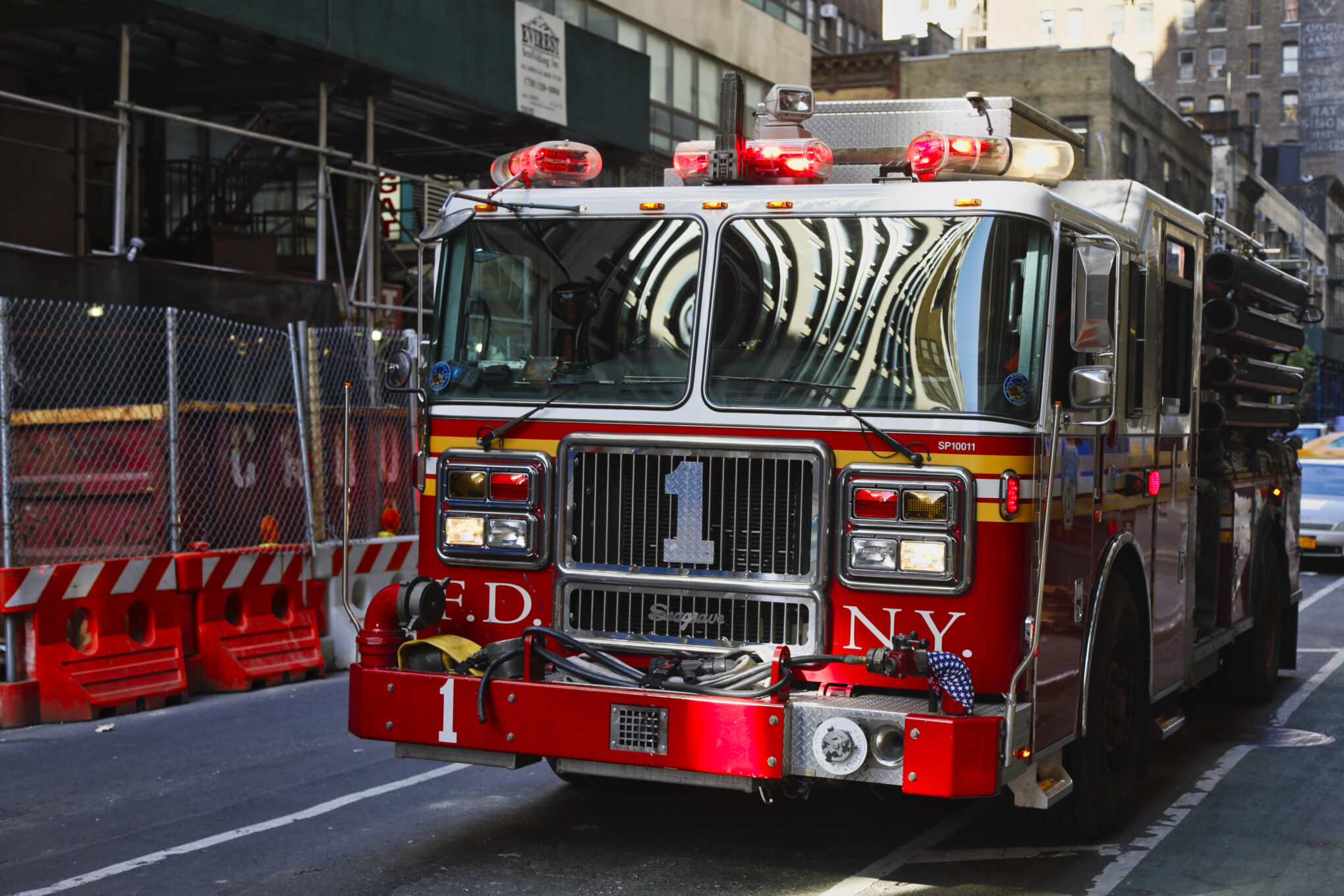
Retired Career Fire and EMS Lieutenant-Specialist, Writer, and Master Photographer, living in Vermont.
February 8, 2026—Middletown Springs, Vermont (Home)
I remember being a small child and my mom saying to me, "if you can't trust your own parents, then whom can you legitimately trust."
I was just old enough to understand what she meant, and what she was implying is that I should place my trust in my parents, first and foremost. In her I trusted, sure, of course I did. Mom was my best friend first, and my parent second. My father, however, was abusive, and it created a dichotomy where I'm supposed to love and trust the person who abused me the most.
That sentence lodged itself somewhere permanent. Not in my mind—close to my body. It became a rule I carried without agreeing to it, like a law passed before I had language. Trust your parents. Parents are the first contract. Parents are where safety begins. And when that equation breaks, it doesn't shatter cleanly. It warps everything that comes after.
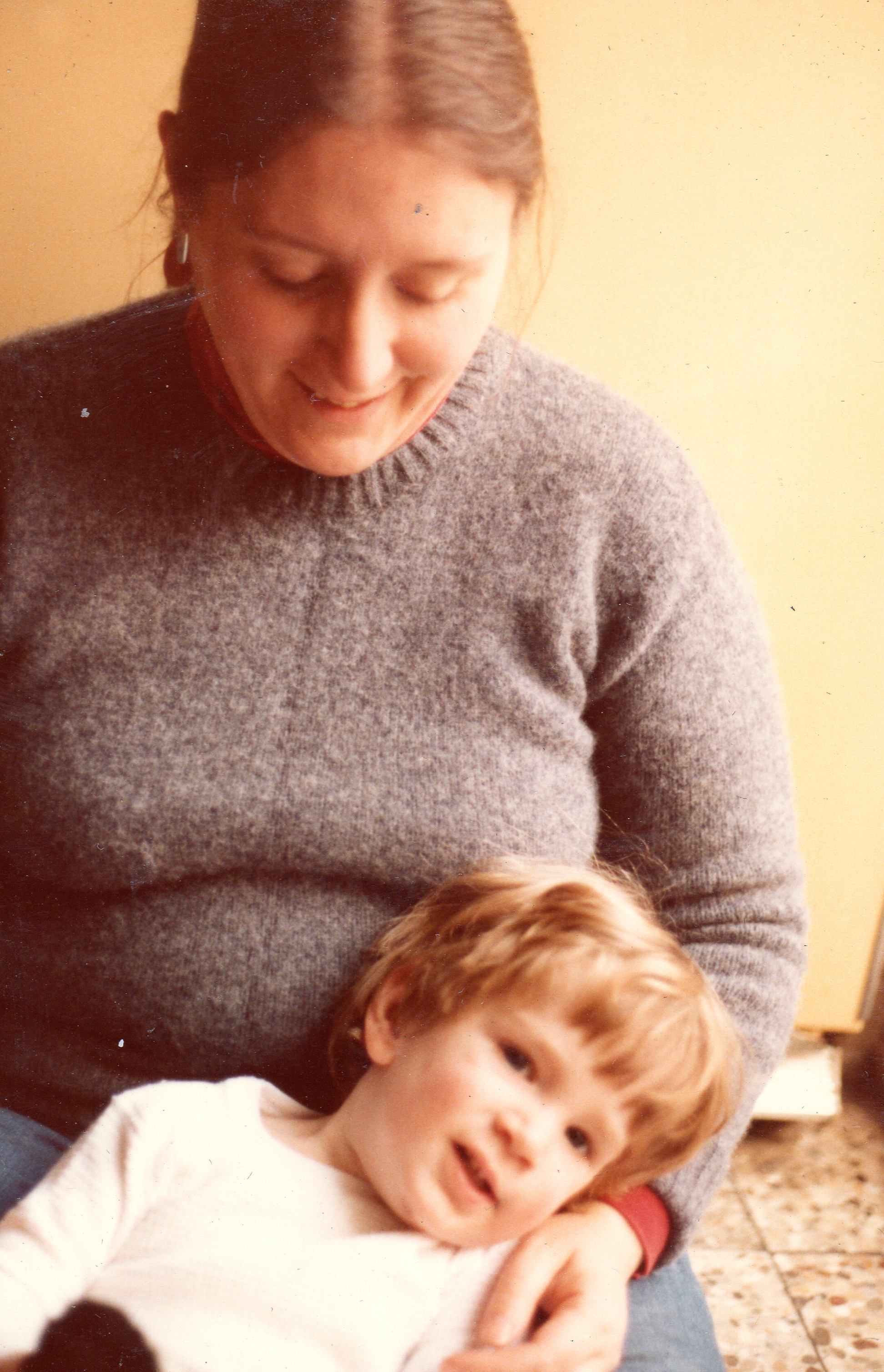
I trusted my mother because she earned it. Quietly. Daily. In the way she showed up without requiring translation. With her, trust was not a concept—it was operational. It lived in shared jokes, in knowing looks, in the way she let me be myself without interrogation. She did not ask me to prove anything. She did not correct my instincts. She simply stood beside me and treated that as enough.
My father demanded trust as an entitlement. That difference matters more than people like to admit.
He demanded loyalty without safety, obedience without care, proximity without consent. And the world around us—schools, doctors, neighbors, institutions—helped enforce that expectation. Fathers are to be respected. Fathers know best. Fathers are authority. If something feels wrong, the child is mistaken. If harm is present, it must be reframed, minimized, or explained away. My father made absolutely certain that his way was to be followed.
I learned early how to split myself. Love became a performance. Trust became conditional, theoretical, something discussed but never actually practiced. I learned how to comply without surrendering internally, how to stay alert while appearing calm, how to survive inside a relationship that required me to deny my own experience in order to keep the peace.
My father was abusive toward me from a very early age. My first clear recollection is being forced to sleep on the living room floor of our Greenwich Village apartment with nothing but a blanket. Dinner that night was a single slice of bread and a glass of water, measured and deliberate, as if deprivation itself were the point. I was not allowed my dog, which mattered more to me than the food.
I had been accused of lying about something so mundane and insignificant that, even now, I cannot understand why it was escalated to the principal at my private school at all. It was the kind of non-event children forget by dinner, except it did not end there. As far as my father was concerned, we did not have liars in our family, and the accusation itself mattered more than its truth. The facts were irrelevant; what mattered was the threat to the image he guarded so obsessively. That belief—rigid, punitive, and absolute—is what ultimately triggered the punishment, as if discipline were required not to correct behavior, but to preserve a version of reality he refused to question.
There would be subsequent nights spent in the living room, again under the piano, as if that space had become a designated margin where I could be placed when I was no longer tolerable. My father told me I was lying when I told a therapist that I was a girl. I was six years old. He kept the paperwork from that appointment in a file until the day he died, preserving it like a trophy rather than a record.
Over time, he used those psychological reports as "evidence" to support his outrageous claim that I was incompetent, selectively presenting fragments of context as proof while ignoring the reality of the child they described. For a short time, that strategy worked. My father managed to keep me within a blind conservatorship, one more administrative mechanism that allowed control to masquerade as concern.
I wrapped myself tightly in the blanket and curled up beneath the piano in the living room, choosing the smallest, darkest space I could find, because even then I understood that making myself unobtrusive was safer. My mother could not stop it. She was not complicit—she was constrained. My father beat her for years, and that violence set the limits of what she could protect and what she could not.
That is not trust. That is management.
The real damage wasn't only the abuse itself—it was the instruction that followed. The insistence that love and harm could occupy the same space without conflict. That I was supposed to reconcile those facts inside myself. That I should override my own perception in order to preserve the idea of family. That if I felt afraid, confused, or small, the problem must be me.
My father set very clear expectations for me from a very early age—I was to be a doctor or a surgeon, I was to graduate from Cornell, and I was to be a next-generation student there, as if destiny were an assembly line and I had already been placed on it without consent. These were not hopes or aspirations; they were mandates, delivered as inevitabilities rather than possibilities.
My father expected grandchildren before he died so that he could have a say in how they were raised, as if control were something that could be inherited along with a last name. He stated, without irony or hesitation, that the firstborn was to be named Harvey, after him of course, and that it was to be a boy. There was no curiosity in that declaration, no room for reality or biology or consent—just entitlement extending itself forward in time. Even hypothetical children were drafted into his version of the world, assigned roles before they existed, claimed as proof of continuity rather than regarded as lives of their own.
None of it happened. Not because I failed, drifted, or lacked ability, but because those expectations were never about me to begin with—they were about control, legacy, and the insistence that my life exist as proof of something he needed to believe about himself.
It teaches a child a very specific lesson: your instincts and choices are negotiable. Your safety is secondary. Adults have your best interests at heart and they know better—your role is to adapt.
That lesson doesn't stay in childhood. It migrates. It shows up later in friendships where you overextend, in work where you tolerate far more than you should, in relationships where you stay longer than is reasonable or healthy because leaving feels like betrayal. Not of them—of the rule. The rule that says love requires endurance. The rule that says trust is something you owe, not something that must be earned.
For a long time, I believed that being able to trust no one was strength. Independence as protection Distance as safety. I told myself I was fine like that. Capable. Self-sufficient. Unimpressed by sentiment. But underneath that posture was something simpler and harder to admit—I never learned what safe trust felt like in the place where it was supposed to be taught first.
Except I did. Once. With my mother.
That is the part people miss when they flatten stories like mine into slogans. I did not grow up without trust. I grew up with a contradiction. One parent who showed me what it meant to be seen, and one who taught me what it meant to be erased.
I don't struggle with trust because I don't understand it.
I struggle with it because I understand it too well. It is knowing that you do not have to disappear in order to be loved.
My mother knew that. My father did not. And I have spent a lifetime learning the difference—first as a child who had no choice, and later as a woman who finally does.
|
Copyright © 1998-2026 Emily Pratt Slatin. All Rights Reserved. About | Archives | Biography | EMD Codes | Notebook | Press Kit | Pronouns.page | RSS Feed | Sitemap | YouTube Made with grit in Middletown Springs, Vermont. |