
She/Her/Hers
Lesbian
|
|
EMILY PRATT SLATIN | About | Press Kit | Notebook | Music Playlist | She/Her/Hers Lesbian |
Retired Career Fire and EMS Lieutenant-Specialist, Writer, and Master Photographer, living in Vermont.

February 11, 2026—Middletown Springs, Vermont (Home)
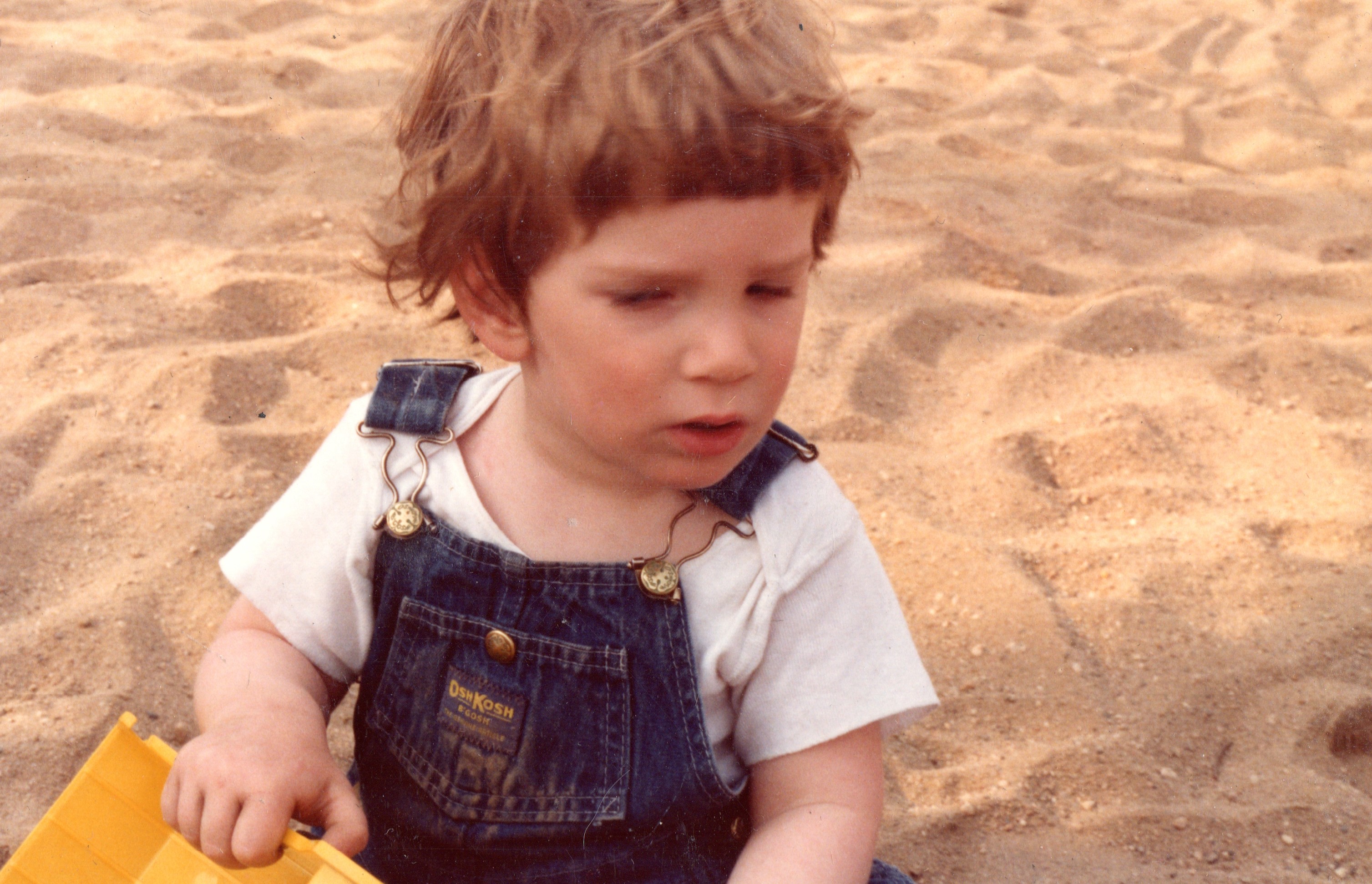
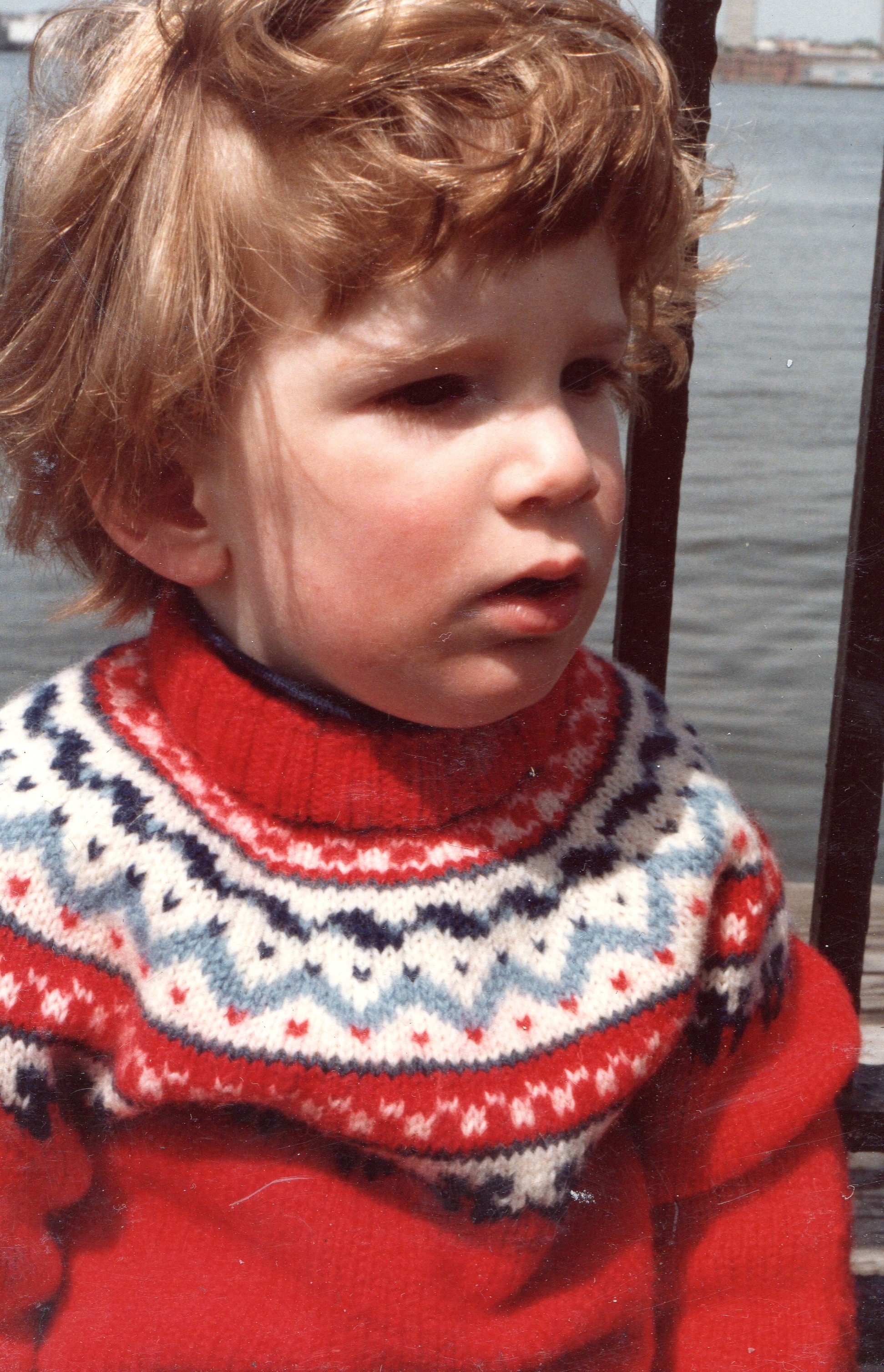
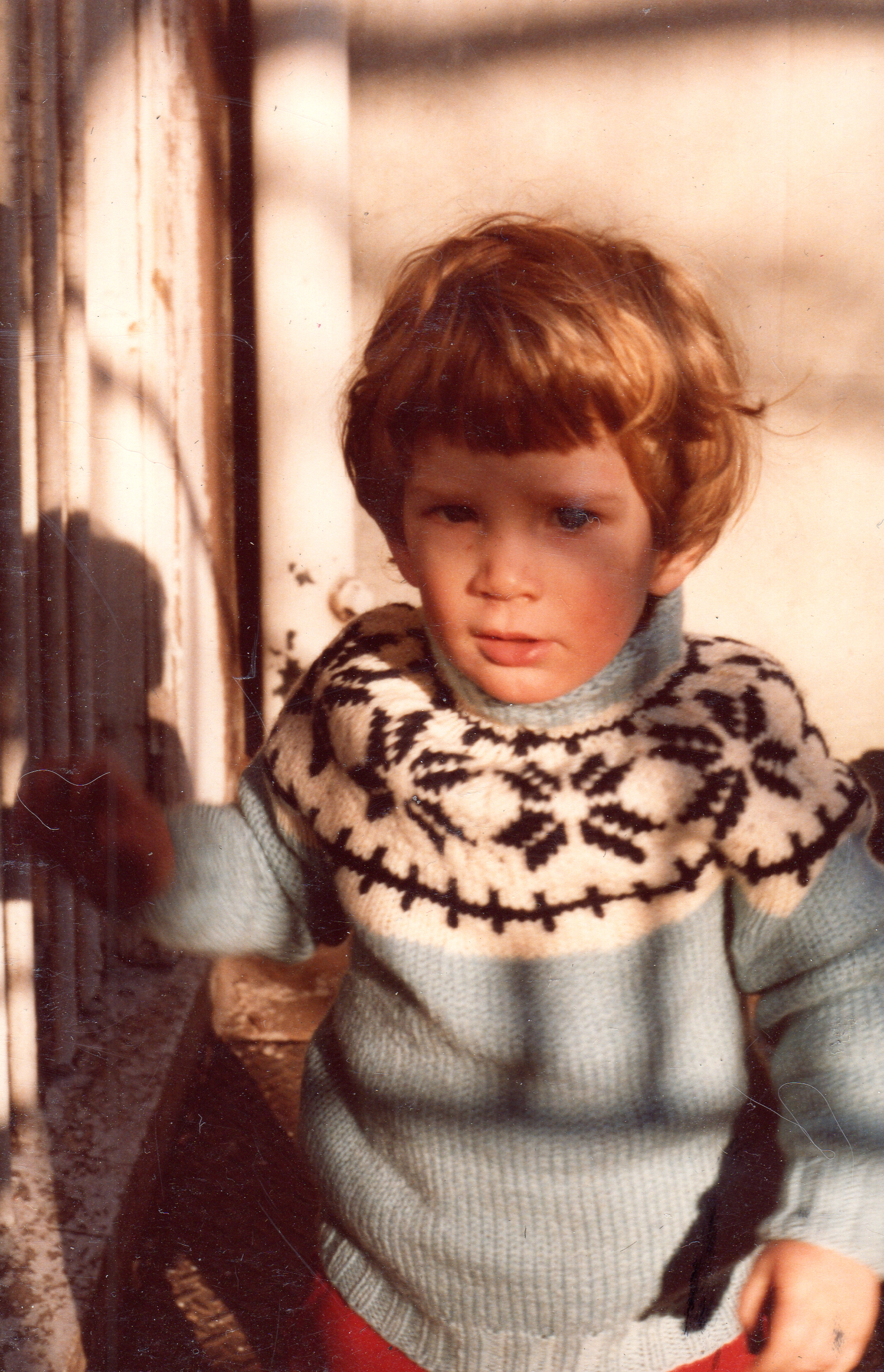
My father had millions of dollars when I was born. I was raised in the heart of Greenwich Village, at 11 Bank Street, in a building that carried itself with the quiet confidence of old money and older expectations. From my bedroom window, I could see the glow of Ye Waverly Inn at night—the steady traffic of adults who believed they understood the world because they could afford dinner inside it. The corner of Bank Street and Waverly Place became my first geography lesson, my first map of permanence. That intersection was my origin.
I was born into wealth, which meant I was born into infrastructure. The house was solid, the floors polished, the expectations unspoken but absolute. There were social systems in place for everything—money, appearances, conversation. From the outside, it suggested safety. From the inside, it functioned more like containment.
 |
 |
 |
My father raised me on fairytales. He believed in the architecture of a story—the arc, the reward, the triumph granted to the obedient protagonist. He spoke in golden language that sounded permanent. But every promise carried conditions that were never named outright. Approval required compliance. Affection required performance. I learned that security tethered to obedience is not security at all.
When he ultimately decided we were leaving New York City, my foundation shifted. Until then, the grid of streets had functioned like bedrock—predictable, loud, stabilizing. Bank Street, Waverly Place, the steady hum outside my window—those were constants. The move was presented as strategy, as progress, as something inevitable and wise. I understood it later as displacement.
I believed the relocation was for a better life. That is how it was framed—more space, a big back yard for me to play, more opportunity, something larger waiting just beyond the skyline. What I could not comprehend at the time was that the move was not designed around my stability or growth. It served my father's ambitions. His comfort. His narrative. I mistook direction for care.
My father was Dr. Harvey L. Slatin, one of the original scientists from the Manhattan Project. His name carried weight long before I understood what it meant. He was the last surviving member of his Special Engineering Detachment relating to the Manhattan Project. In certain rooms, it shifted the temperature. People stood straighter. Conversations adjusted themselves. He had helped build something that altered the trajectory of the twentieth century, something engineered with precision and consequence. I grew up aware that his work had split atoms and history alike. At the time, I did not yet understand that men who learn how to harness immense force sometimes struggle with restraint in smaller, quieter spaces.
He carried his doctoral title like a credential that extended beyond academia. "Doctor" preceded him into rooms and altered their geometry. I remember dinner parties where women would register the title before they registered the man, their posture shifting as if proximity itself conferred something.
The attention followed him easily. He understood how to receive it. Whatever loyalty existed in theory did not extend into practice. My father was never faithful to my mother. The affairs were not singular mistakes or rare lapses—they were patterned, repetitive, geographically isolated, and conducted with the same quiet confidence he applied to everything else. It was not scandal in our household. It was routine.
My father believed that by moving out of the city, he could escape the attention that followed him. In New York, his name carried context. There were introductions that lingered a beat too long, conversations that shifted when he entered a room, recognition that moved ahead of him like a shadow. He did not enjoy being known in that way. So he chose a place where anonymity was possible in theory, where his credentials would not precede him, where no one would recognize his face or attach it to history. He framed it as privacy. In practice, it was retreat.
We moved when I was eight years old. My father enrolled me in public school as a boy and informed the administration that this was the direction that would be followed. It was not presented as a question. Forms were completed accordingly. Names were adjusted. Expectations recalibrated. I did not yet have the language to argue the decision, only the awareness that something essential was being overwritten. In a new town where no one knew our history, he believed the designation would hold. He treated identity as something administrative—something that could be assigned, corrected, enforced. I understood it differently, even then.
As I grew, it became clearer with each passing year that his daughter would not conform to the shape he had chosen. His daughter would be gifted and misunderstood, intelligent enough to see the fracture lines and young enough to be punished for naming them. His daughter would be bullied mercilessly, corrected publicly, and passed from one set of unfamiliar hands to another as though proximity could solve what he refused to confront.
Rather than examine his own intolerance, my father distributed it. He outsourced his discomfort with every facet of my being—to teachers, to administrators, to institutions—allowing them to enforce what he could not reconcile.

At age sixteen came the final ultimatum. I could stop being queer and stop being honest about it with my friends, or I could learn what it meant to be on my own. It was presented as a correction, as an opportunity to reconsider. In reality, it was an eviction disguised as guidance. I understood the terms clearly. Silence in exchange for shelter. Denial in exchange for stability. I chose honesty. I left the house with a duffel bag full of clothes, my dog Penfold, a hand-me-down 1991 Honda station wagon, and $600 in cash. All without spectacle and without negotiation, and I did not return.
When I think about origin, I do not think about money or geography. I think about decision points. The quiet forks in the road where a single different choice might have altered the architecture of my life. I can trace them now with adult clarity—moments where protection could have been extended instead of withdrawn, where understanding could have replaced control. None of those choices were made. What remained was fact.
Survival, for me, became non-negotiable. There was no alternative path waiting in reserve, no family safety net, no quiet return available if things became difficult. I had one directive: remain standing. I worked. I learned. I adapted. I calculated risk the way other teenagers calculated social hierarchies. Endurance stopped being reactive and became strategic. Over time, it acquired an edge. Every year I stayed alive, every credential earned, every system built without assistance carried a subtext. I would not collapse to validate his prediction. If I could not change his decisions, I could outlive them.
As time went on, people gravitated toward the idea of the money my late father had amassed and assumed that I had inherited ease along with his name. They mistook association for access. The narrative was convenient: wealthy origin, famous father, invisible safety net. It was tidy. It was wrong. By the time I was old enough to understand the myth forming around me, I was already living outside of it. I left high school just before graduation and entered the workforce because survival does not wait for diplomas.
I slept in my car when there was nowhere else to go. I rotated through the couches of friends who were kind enough not to ask too many questions. I slept in the woods in a tent during the warmer months. My first apartments were temporary in every sense—thin walls, unstable leases, empty spaces where furniture would be acquired one piece at a time. My first car was not a symbol of independence so much as shelter with wheels. Whatever wealth had once surrounded my childhood did not accompany me. What followed me instead was the necessity of self-sufficiency.
My family dismissed every woman I brought home as though rejection were standard operational policy. It did not matter who she was, or what she brought with her—intelligence, steadiness, loyalty—all of it was examined and quietly deemed insufficient. Angie was not a stranger. We had known each other only by name for years, growing up in overlapping social circles, aware of one another long before we understood what we would become.
I finally built up the courage to ask her to be my girlfriend. Once our relationship became visible, the scrutiny intensified. My father did not welcome her. He negotiated her. Mom was instructed by my father to hate her. Before she was permitted proximity, he required her to agree to certain conditions, including nondisclosure of what he considered family secrets. Even intimacy, in his world, required contractual silence. She agreed because she loved me, and because loving me meant navigating him. We were together for nearly two decades. What endured between us did so in spite of the machinery that attempted to regulate it.
When my father died in 2013 at the age of ninety-seven, the mythology ended and the paperwork began. Whatever distance had existed between us in life did not prevent the transfer of responsibility in death. I became solely responsible for the family business, for its continuity, for the decisions that kept it solvent. I also became financially responsible for my mother. There was no ceremony to the shift, no gradual easing into it—just signatures, accounts, obligations. The daughter and only child who had once been told to comply was now expected to stabilize what remained. I did.
It was not until my mother allowed me to sell the family business and step away from New York City entirely that the cycle of constant struggle began to loosen its grip. And she didn't even agree for my benefit—Amelia and I had been together for five years by then, and she agreed to let it go for Amelia's sake. For years, I carried the weight of what had been built before me—out of duty, out of expectation, out of a sense that holding it together was proof of something. The business tied me to history, to obligation, to a version of myself forged in survival mode. When she finally agreed to let it go, the shift was immediate. Selling it was not an act of escape; it was an act of release. Leaving the city was not surrender; it was a deliberate choice to stop living in reaction. For the first time, I could afford a life that was not defined by endurance alone.
|
Copyright © 1998-2026 Emily Pratt Slatin. All Rights Reserved. About | Archives | Biography | EMD Codes | Notebook | Press Kit | Pronouns.page | RSS Feed | Sitemap | YouTube Made with grit in Middletown Springs, Vermont. |