
She/Her/Hers
Lesbian
|
|
EMILY PRATT SLATIN | About | Press Kit | Notebook | Music Playlist | She/Her/Hers Lesbian |
Retired Career Fire and EMS Lieutenant-Specialist, Writer, and Master Photographer, living in Vermont.
April 9, 2026—Stamford, New York (Mom's House)
You can measure a life not by what it accumulates, but by what it refuses to abandon. Most people are trying to become something—very few are trying to remain something, and that difference changes everything about how they move through the world.
Not everything that breaks needs to be repaired. Most people rush to restore what was—very few question whether it should have even existed that way at all, and that hesitation is where real change begins. There's a kind of discipline that has nothing to do with motivation. Most people act when they feel ready—very few act because it's required, and that separation determines who builds systems that actually function. You can tell who has faced real consequences by how they make decisions. Most people optimize for comfort—very few optimize for durability, and that difference shows up long after the moment has passed. You don't learn much from outcomes alone. Most people focus on results—very few analyze the process that produced them, and that difference determines whether success is repeatable or accidental.
Most people think being a paramedic changes you in obvious ways—louder, harder, sharper around the edges. That isn't what happens. It's quieter than that. You stop reacting to noise and start reacting to patterns, to the way a room feels half a second before it goes bad, to the tone in someone's voice that tells you whether they want to live or not. The real shift isn't in what you see—it's in what you no longer need explained.
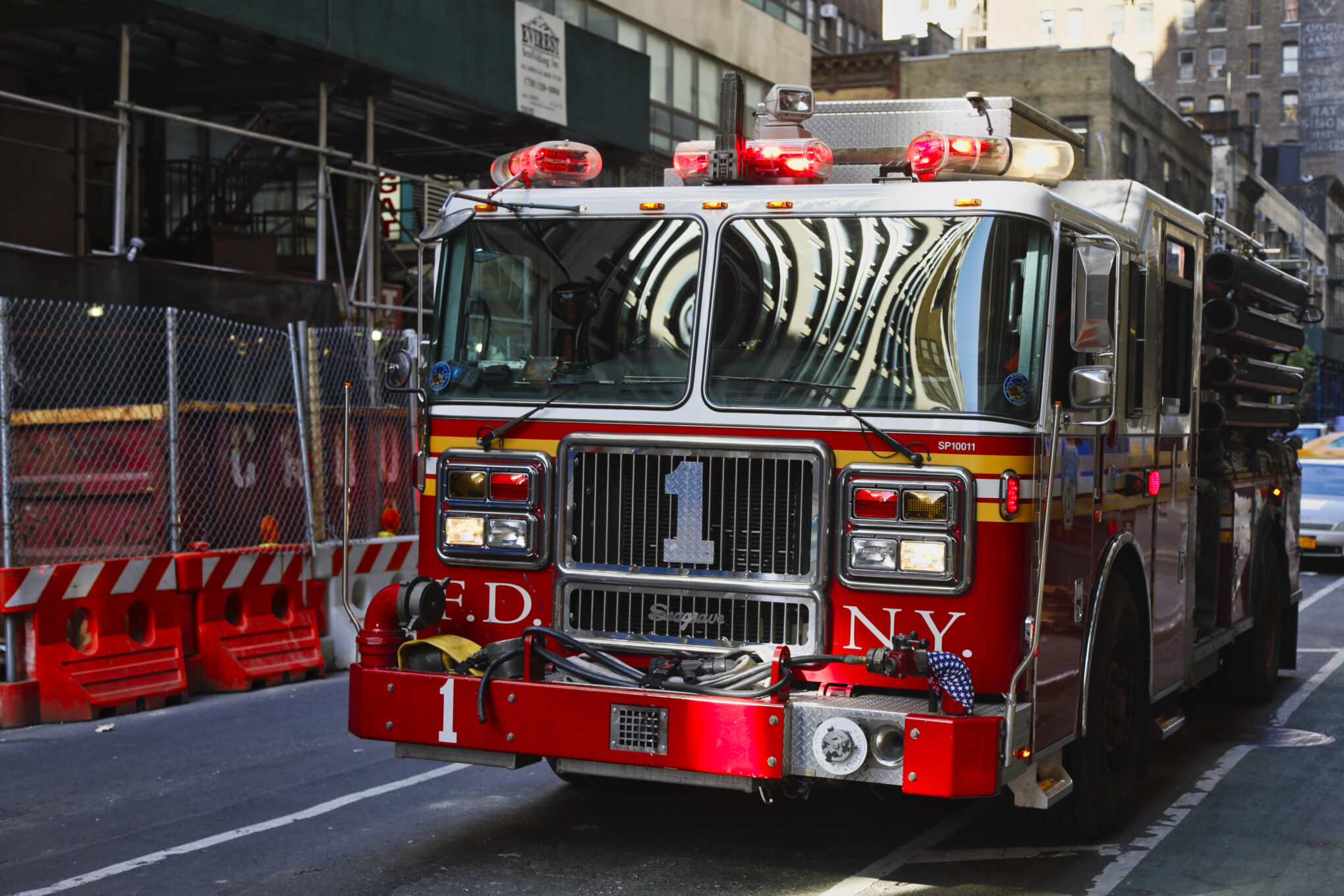
The same system carries over—it just changes scale. As a firefighter, the patterns aren't inside a person, they're inside the environment itself—heat moving where it shouldn't, a structure telling you what it's about to do before it does it, time compressing until every decision has to be made before it feels fully formed.
Most people think fire is chaos—very few recognize that it follows rules, and that those rules are always speaking if you know how to read them. You learn to listen with more than your ears. You feel the building through your hands, through your stance, through the way the smoke moves. It's the same half-second recognition, just stretched across a wider field, with more at stake and less forgiveness.
There isn't a clean separation between the two. The same mind that reads a patient reads a structure, the same command that directs a scene directs a crew, and neither of them ever fully powers down. Most people believe the incident ends when the scene clears—very few understand that for some of us, it just changes form.
The calls don't line up neatly behind you. They stay threaded through everything—through reflex, through tone, through the quiet moments where nothing is happening and your mind is still running sequences, still adjusting, still preparing for something that isn't there.
I stayed longer than I had to. The memories stayed forever and a day. When my father died, control of the family business transferred to me, and with it came the quiet understanding that I no longer needed the job for income, or stability, or anything practical that could be measured on paper.
That should have been the exit point. For most people, it would have been. But I didn't leave. I stayed because the work had already rewritten the way I understood purpose, and at that point in my life, it was the only system I knew how to operate inside without hesitation.
The promotion to Lieutenant didn't change that—it clarified it. Command wasn't a title, it was a continuation of the same pattern recognition, the same decision-making under pressure, just carried with more weight and fewer degrees of separation. The responsibility became less about what I could do and more about what I was accountable for, which is a different kind of gravity entirely. I served a few more years like that—fully aware that I could walk away at any time, and equally aware that I wasn't going to. Not yet. Then a voice inside my head told me I should leave today. And then I did.
Retirement didn't feel like a clean break. It felt more like stepping out of a system that continued running without me, which is exactly what it does. I miss it—of course I do. How could I not miss it? It was the most exciting, dangerous, and unpredictable thing I have ever done, but that's not the real reason.
I miss it because it was one of the very few places where everything made immediate, undeniable sense. The stakes were clear, the outcomes mattered, and the work—no matter how difficult—always had a direction. It was also the most rewarding thing I have ever done, not in a sentimental way, but in the way that comes from knowing, without question, that what you did in those moments actually counted.
|
Copyright © 1998-2026 Emily Pratt Slatin. All Rights Reserved. About | Archives | Biography | EMD Codes | Notebook | Press Kit | Pronouns.page | RSS Feed | Sitemap | YouTube Made with grit in Middletown Springs, Vermont. |