
She/Her/Hers
Lesbian
|
|
EMILY PRATT SLATIN | About | Press Kit | Notebook | Music Playlist | She/Her/Hers Lesbian |
Retired Career Fire and EMS Lieutenant-Specialist, Writer, and Master Photographer, living in Vermont.

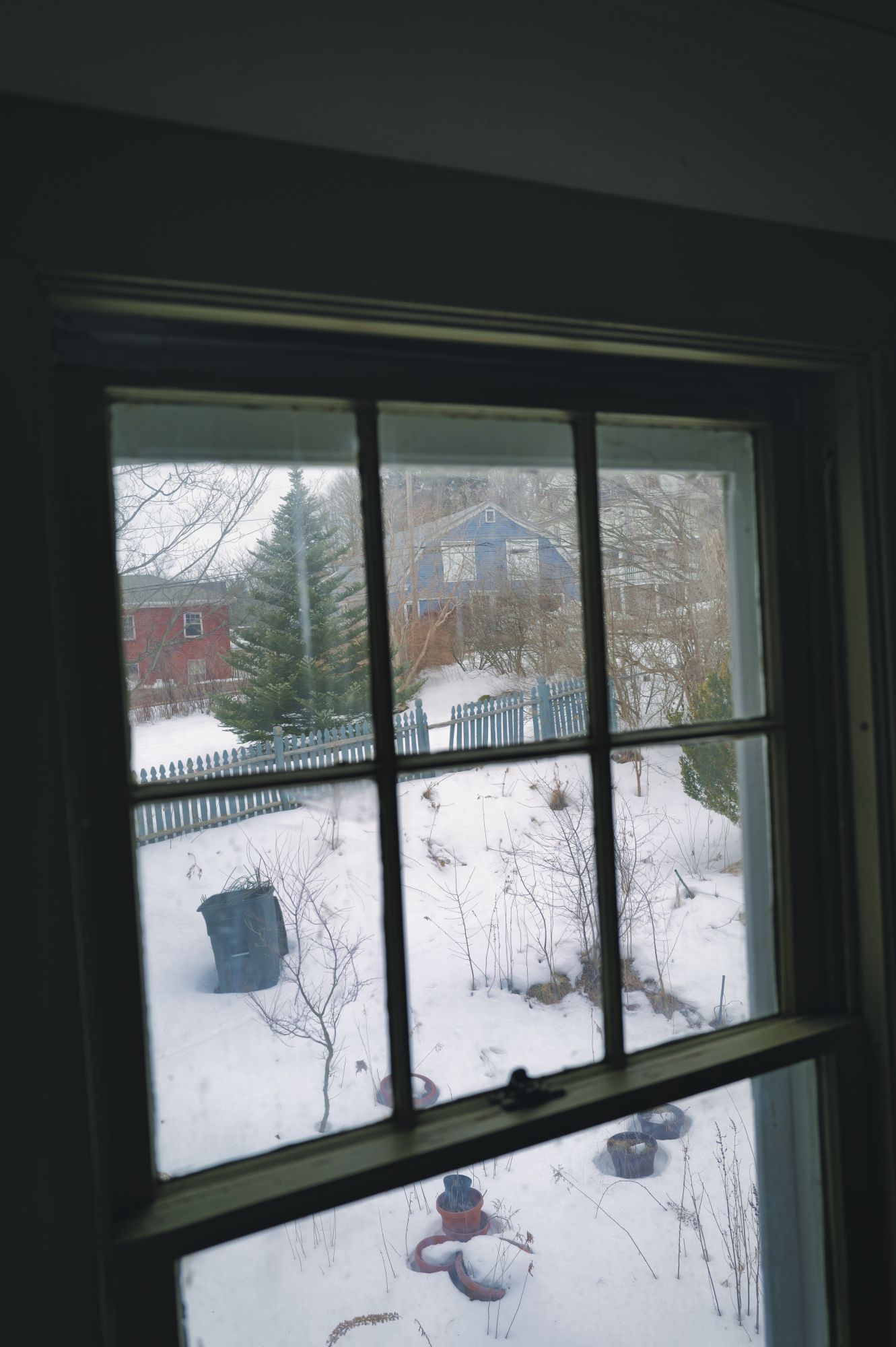
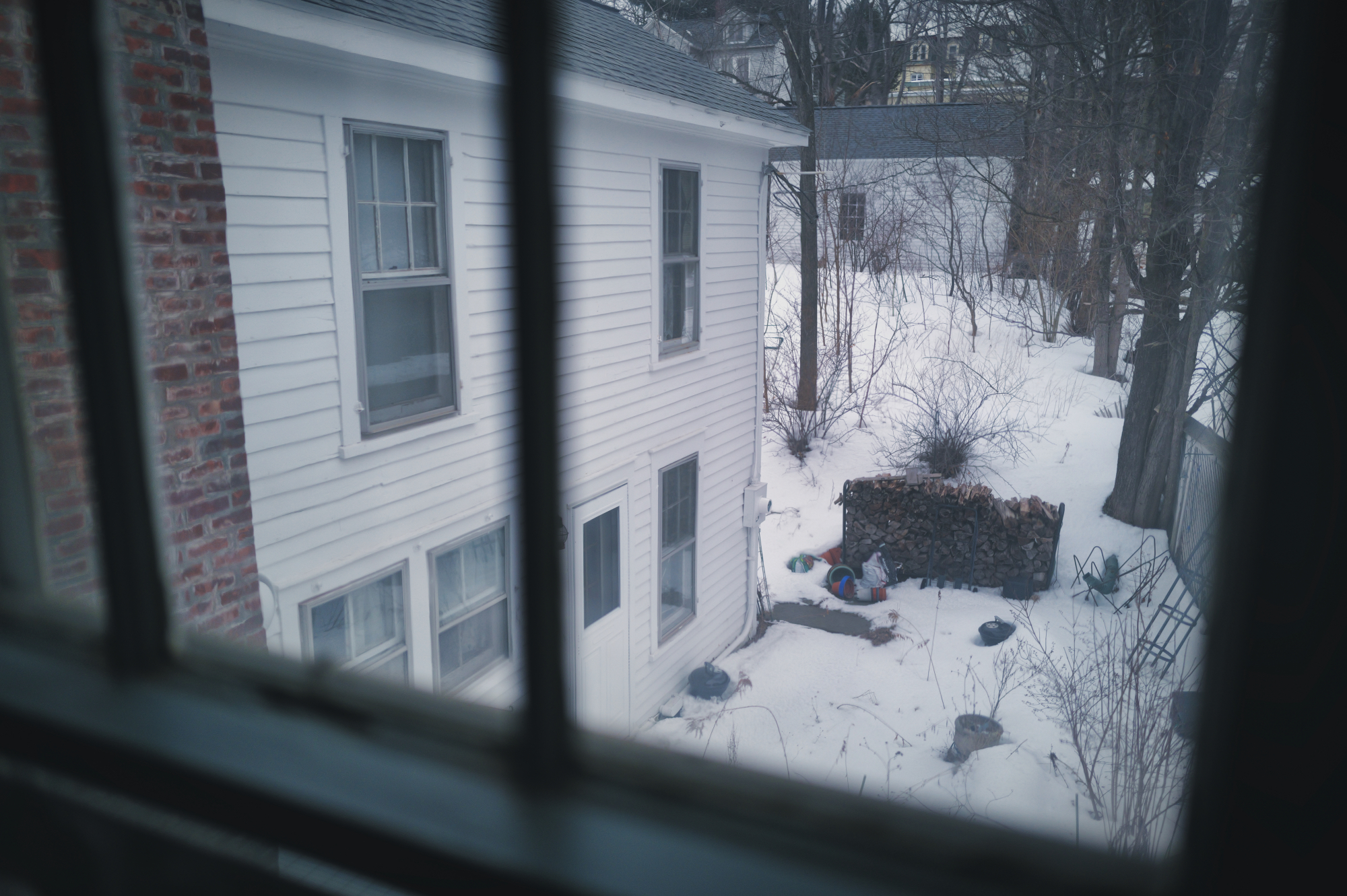
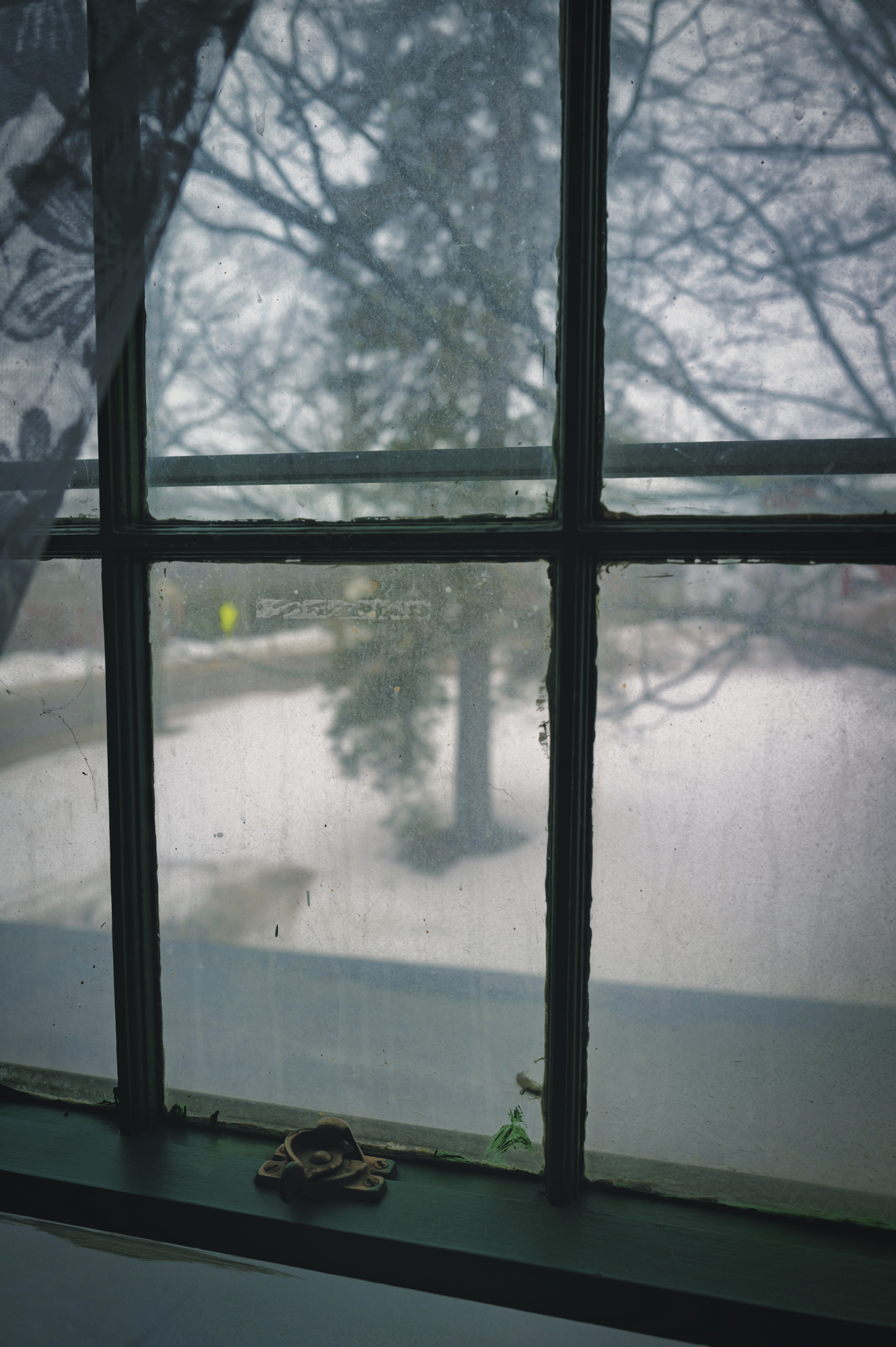
March 3, 2026—Stamford, New York (Mom's House)
Once again, I've come back to spend two days at Mom's house. I say it that way on purpose—Mom's house—even though the deed now sits in my name. Paperwork does not erase the past. That house raised me. It disciplined me. It shaped me with rules, and silence, and the constant sense that I was being measured against a standard I never agreed to. And then, at sixteen, it expelled me. Cleanly. Efficiently. No ambiguity.
Pulling into the driveway now feels less like trespassing and more like standing on a reclaimed border. Three decades later, the deed legally defaulted to me, as though time itself shrugged and said, "Fine. You win." There is irony in that, and also a strange calm. Ownership does not rewrite history, but it shifts the emotional weight distribution substantially.
Angie is coming back to the farm for a few days. Even typing that lands heavy in my chest, in that quiet place where old seasons still hum. My history with her is the definitive lifetime arc. Not a subplot. Not a footnote. The literal arc. We have since worked past our grievances—I've come to accept partial responsibility for the breakup, and accepting that while it's wasteful and useless to assign blame, we remained lifelong friends.
I first met her when I was eleven years old at Minekill State Park, at the pool one summer. Chlorine and sunburn and the sound of kids screaming for no reason other than being alive. We didn't know it then, of course. We were just two kids in proximity. But small towns have long memories. Over the years, our paths crossed in brief flashes—parking lots, quick conversations that felt incidental at the time.
When I was twenty-two, Angie was working here in town at the local delicatessen across the street from mom's house. I seized the opportunity with the kind of blunt certainty that has always been my style. I asked her if she wanted to be my girlfriend. No orchestration. No soft launch. Just a question placed directly on the table. She said yes. We dated. I was awkward. We were together for nearly twenty years. For nearly two decades, she was the one person whom I promised that no matter what happened at work, I would make it home safe after my shift. That is not casual time. That is shared rent, shared grief, shared inside jokes, shared early adulthood when everything feels both impossible and inevitable.
Returning to this area always pulls the past forward whether I invite it or not. For her, it brings family memories, friendships that drifted apart without drama—just time doing what time does. For me, it brings my childhood history along with the story of Angie. Our early adulthood was spent roaming these back roads and woods like we owned them. We were feral in a way that felt pure—driving nowhere in particular, parking in fields, talking about futures we assumed would bend around our plans.
Mom's house was the place that helped raise me, and then that same place exiled me. When Angie and I first got together, we lived in a tent in the backyard for a couple of months. We were technically on the property, but not in the house. That detail has always felt symbolic—close enough to see the windows lit up, far enough to know we were not invited in. And now, decades later, the deed defaults to me.
I spent the last two days with Angie. Slow days. We made plans to go see all the places we used to roam all the places where we once believed our entire future was unfolding. There was no rush in the conversation. No attempt to rewrite what happened or assign new meaning to old decisions. Just two people who shared a lifetime arc, standing on the other side of it, steady.
And I noticed something else—something small, but revealing. Twice in the same day, two different people referred to me as male. Years ago, that would have sliced straight through me. It would have felt deliberate, personal, accusatory. I would have sharpened in response. Instead, I found myself calmly correcting them. Politely informing. Moving on. No spike. No giving into debate. Just a clean adjustment.
I cannot entirely blame people who have been socially conditioned to believe that a woman must be soft-spoken, uninvolved, physically slight, deferential, and small in presence. I am none of those things. I am five foot eleven. I do not shrink. If someone's framework for "woman" cannot hold that, that is a limitation of their framework, not my existence.
And here is the part that surprised me—I did not need to defend myself internally afterward. I did not need to replay it. I did not need to win anything. I corrected, and I continued. And even though it still feels like exposure, at the same time, it still feels like a new kind of patience.
 |
 |
 |
|
Copyright © 1998-2026 Emily Pratt Slatin. All Rights Reserved. About | Archives | Biography | EMD Codes | Notebook | Press Kit | Pronouns.page | RSS Feed | Sitemap | YouTube Made with grit in Middletown Springs, Vermont. |