
She/Her/Hers
Lesbian
|
|
EMILY PRATT SLATIN | About | Press Kit | Notebook | Music Playlist | She/Her/Hers Lesbian |
Retired Career Fire and EMS Lieutenant-Specialist, Writer, and Master Photographer, living in Vermont.

February 26, 2026—Middletown Springs, Vermont (Home)
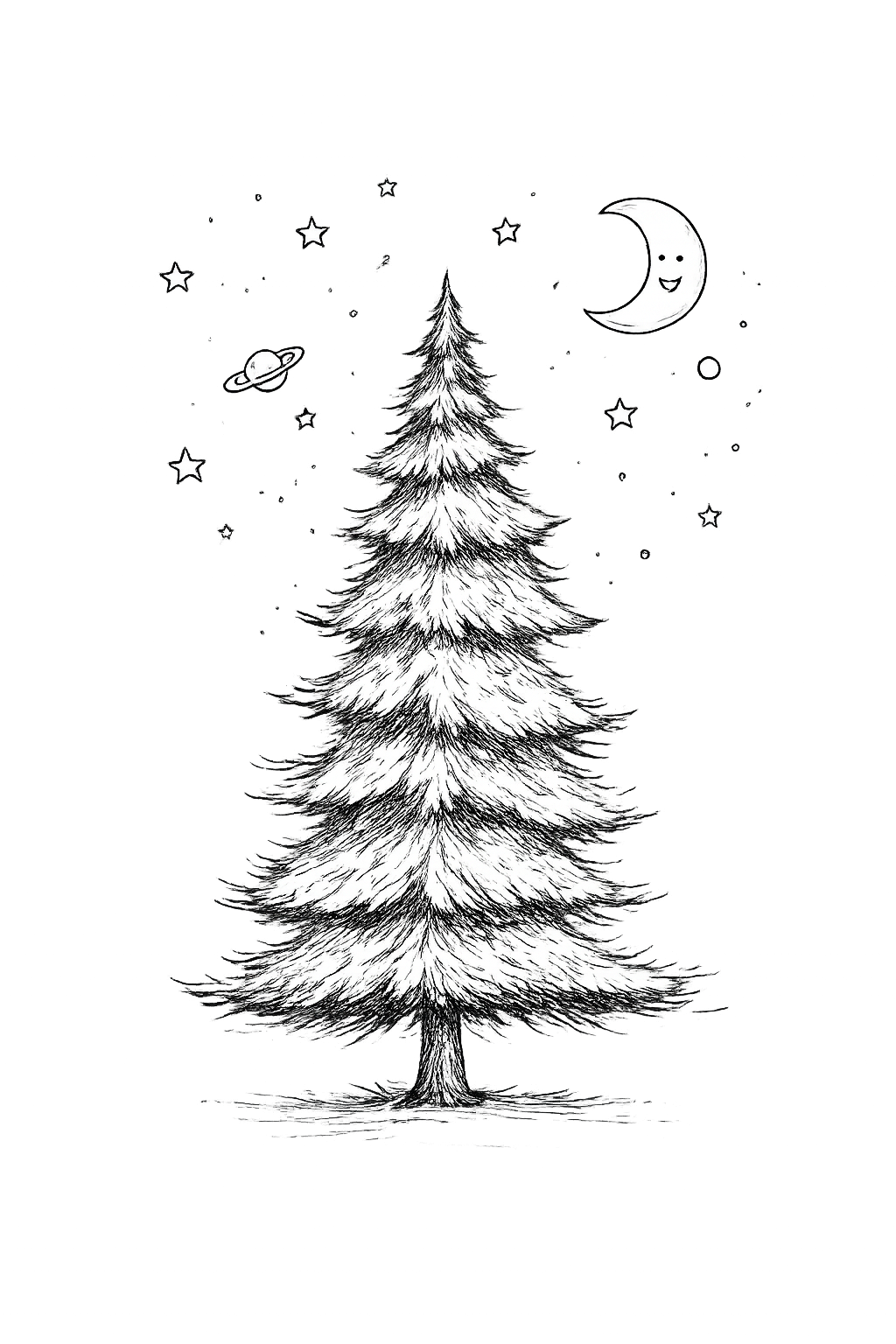
There is a pine tree outside my bedroom window, and the longer I live here, the more I realize it isn't a detail—it's a continuity line. It stands in the same spot every morning I wake up, the same way it stood there last winter, and the winter before that, and the winter before that, holding its shape against the dark like time is a nuisance rather than a threat.
I have built a life that finally feels like mine—wife, land, work that makes sense, quiet that doesn't demand performance—and still, when I'm honest, the pine is the first thing my nervous system recognizes as familiar. Not because it's pretty. Not because it's sentimental. Because it has never required anything from me except that I exist nearby, breathing, thinking, surviving, and then—eventually—living.
I think the origin of my trust in pine trees is simple, and it's almost embarrassing how long it took me to say it out loud. Pine trees have been present for my entire life in the Northeast.
My grandparents owned a farm in Williamsville, New York—hundreds of acres of pine trees, the kind of scale that makes a child feel both protected and appropriately small. When I was in my birth years, visiting that farm, I didn't have language for "constant," or "witness," or "stability," but I had sensation—needles underfoot, the sharp green smell of pitch, the hush that falls in a stand of pines like the trees have decided not to repeat what they've overheard. Adults talked, made plans, made pronouncements, and did what adults do, which is pretend they're in charge of time. The pines didn't participate. They just stood there, indifferent to narrative. That indifference wasn't cold—it was clean. It was the first place I can remember where nothing asked me to be different in order to remain safe.
Later, in Stamford, there was a pine tree outside my window, and I did what kids do when the world feels too big and too loud—I watched it. I watched it in rain, in snow, in those upstate nights when the cold comes down like a verdict.
I watched it bend under wind and then return to itself. Over and over again. No drama, no collapse, no announcement. It didn't pretend the wind wasn't there. It didn't posture. It yielded, and then it reset. That was my first real education in resilience—resilience that wasn't theatrical, and didn't require anyone's permission. I didn't understand at the time that I was building my own internal model of what "safe" looked like. I just knew that the tree never lied to me. Wind was wind. Winter was winter. The branches moved because physics demanded it, not because someone wanted to punish me for existing wrong.
Summer camp in the Adirondacks came later, and the pines were there, too—crowding the edges of the world in that particular way those mountains do, as if the forest is both boundary and guardian. Camp is supposed to be about growth, or confidence, or whatever brochure language adults like to apply to children they're sending away for a few weeks, but for me it was something quieter and more precise.
I remember how the air smelled at dusk, how the light would drain out of the day in stages, and how the pines didn't react to any of it. The world shifted, the sky changed, people changed, friendships formed and dissolved in the way they do when everyone is young and desperate to be understood. The pines remained exactly what they had been before anyone arrived.
There's a particular cruelty in a life where other people keep trying to narrate you—relabel you, reinterpret you, file you into categories that make them more comfortable. I grew up inside other people's certainty, and I learned early that certainty is often just control wearing a nicer outfit. Pine trees never did that. They have been the one and only constant in my life besides who I am as a person.People left. Places changed. Institutions rewrote the rules mid-game. Adults made decisions that altered the architecture of my childhood and then acted surprised when the structures they put in place didn't remain stable. Even love, sometimes, came with conditions—spoken or implied, explicit or buried under polite language.
I think I became Dark Horse because I had to—because when you're raised in an environment with ever changing aspirations that never appealed to you in the first place, you learn to be the outlier on purpose. You learn to build a self that doesn't depend on applause. You learn to stand alone without collapsing, and you learn how to look calm while your entire nervous system is conducting an audit of exits, risks, and lies.
That skillset kept me alive. It also cost me things. It cost me softness for a while. It cost me trust. It cost me the easy kind of intimacy other people seem to stumble into without thinking. But the pines were the one place where my vigilance could stand down, even slightly, because nothing in that system was trying to recruit me into someone else's story.
It's strange, too, how often I have framed my life in windows. I can map major chapters by what I could see from a bedroom at night—the glow of New York City, the darkness of upstate roads, the silhouette of hills, the way snow turns a landscape into negative space. I've always been someone who watches, not because I'm passive, but because observation is how I stay accurate. And in so many of those windows, there was a pine tree somewhere in the frame—quietly doing what it has always done, refusing to be hurried, refusing to be rewritten. That isn't a coincidence. That's the only kind of faith I've ever trusted—the kind that doesn't ask to be believed, only witnessed over time.
Rescue Girl is a name that was given to me later at work. But the pines were rescuing me long before I knew to rescue others. When you grow up with adults who change the story to suit themselves, you start to crave anything that can't be bullied into revision. A pine tree cannot be guilted into a different version of events. A pine tree cannot be persuaded to pretend winter didn't happen. A pine tree doesn't offer forgiveness because it never took offense in the first place. It just endures, and that endurance is not spite—it's design.
There's an irony here that I can't ignore: I have spent my life being told, in a thousand ways, that I am too much—too direct, too certain, too capable, too unwilling to play along. Too female in the wrong professions. Too queer in the wrong towns. Too honest for people who prefer their discomfort anesthetized.
And yet pine trees, which are literally built for harsh conditions, have never treated me as excessive. They are not delicate. They don't require careful handling. They don't need the world to be kind in order to remain standing. They grow where the soil is thin, where the wind is mean, and where winter returns like it owns the place. That is not romantic. That is instruction.
Sometimes I wonder if the pines are the only reason I can tolerate the concept of time at all. Time is a thief when you've lost people, and it's an insult when others pretend that it can fix what it broke. But the pines don't treat time like a moral force. They treat it like weather—something that happens, something you adapt to, something you survive without turning it into a sermon. They grow rings quietly. They shed what they need to shed. They keep going. They don't ask the past to justify itself. They don't require closure. They don't negotiate with regret. They don't stand there inventing meanings to make themselves feel better about entropy. They simply remain in the present tense, which is something I've had to learn the hard way.
People like to say you can't count on anything. That isn't true. You can count on what has already proven it can hold. You can count on what doesn't require your disappearance in exchange for proximity. At night when I go to bed, I can see the pine outside my window as a darker shape against darker sky.
It's still there. It will be there in the morning. It will be there when the next storm rolls in, when the next season turns over, and when whatever comes next tries to convince me that permanence is a myth. The pines have outlasted every argument ever made about me. They will outlast the last one, too. And if there is any mercy in that, it's this: I have never had to earn their steadiness. I have only had to notice it, and then—eventually—trust it enough to stand still beside it.
|
Copyright © 1998-2026 Emily Pratt Slatin. All Rights Reserved. About | Archives | Biography | EMD Codes | Notebook | Press Kit | Pronouns.page | RSS Feed | Sitemap | YouTube Made with grit in Middletown Springs, Vermont. |